
Intruduction
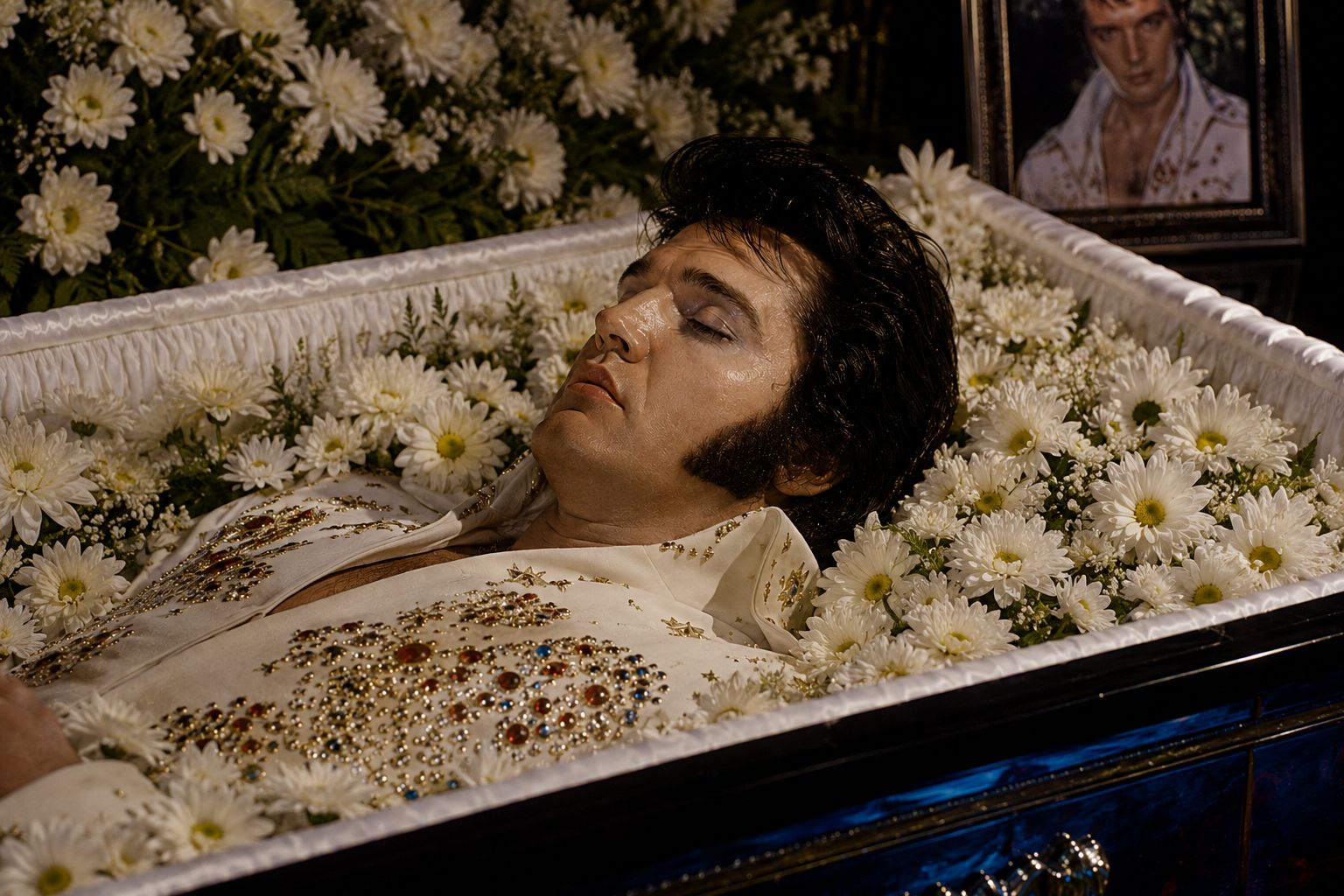
On August 16, 1977, the world received shocking news. Elvis Presley, the legendary King of Rock and Roll, had died at the age of 42. Reports initially stated that he had suffered a heart attack at his home in Memphis, Tennessee. Despite desperate efforts by his road manager, medical staff, and doctors to revive him, Elvis was pronounced dead at three o’clock that afternoon. His passing marked the end of one of the most extraordinary careers in the history of American entertainment.
By the time of his death, Elvis Presley was much more than a singer. He was a cultural icon whose influence stretched far beyond music. Alongside Frank Sinatra, he was considered one of the most important entertainers of the twentieth century. His unique voice, charismatic stage presence, and revolutionary style transformed popular music and inspired generations of artists around the world.
Elvis first rose to fame during the 1950s, helping to bring rock and roll into mainstream culture. His energetic performances, distinctive vocals, and rebellious image captivated young audiences. Songs such as “Heartbreak Hotel,” “Hound Dog,” and “Jailhouse Rock” turned him into an international sensation. Fans were drawn not only to his music but also to his magnetic personality and unmistakable style.
At the height of his early success, Elvis faced an unexpected interruption to his career. In 1958, he was drafted into the United States Army. Many celebrities in his position might have sought special treatment, but Elvis chose a different path. Rather than serving in entertainment-related duties, he completed regular military service and trained as a tank operator. His decision earned him respect from both the public and his fellow soldiers.
During his military service in Germany, Elvis remained one of the most famous people in the world. His records continued to sell in massive numbers, and his popularity showed no signs of fading. Even while wearing a military uniform, he remained a global superstar. The experience also played a significant role in shaping his personal life and future career.
Following his return from the Army, Elvis resumed his dominance in music and film. He sold millions of records and starred in numerous successful movies. His financial success was remarkable, but what many people remember most was his generosity. Elvis was famous for giving away expensive gifts to friends, family members, and even strangers. Among his favorite gifts were Cadillacs, and stories of him surprising people with brand-new cars became part of his legend.
Beyond the fame and fortune, Elvis’s personal life attracted enormous public attention. For many young fans, he was the ultimate symbol of romance and attraction. Yet despite his status as one of the most desired men in the world, Elvis married only once. In 1967, he married Priscilla Beaulieu, whom he had met years earlier.
Their wedding became a major media event and fascinated fans around the globe. A year later, the couple welcomed their only child, Lisa Marie Presley. For a time, Elvis appeared to have found happiness in family life. However, the pressures of fame, constant touring, and personal struggles eventually took their toll on the marriage.
In 1973, Elvis and Priscilla divorced. Although their marriage ended, they remained connected through their daughter and continued to care deeply for one another. The divorce marked a difficult period in Elvis’s life and contributed to many of the personal challenges he faced during his later years.
Today, decades after his death, Elvis Presley remains one of the most recognizable figures in music history. His recordings continue to sell, his performances continue to inspire audiences, and his influence can still be heard in modern music. More than just a singer, Elvis became a symbol of talent, generosity, and cultural change. Though his life ended far too soon, the legacy of the King of Rock and Roll continues to live on in the hearts of millions around the world.