
INTRODUCTION
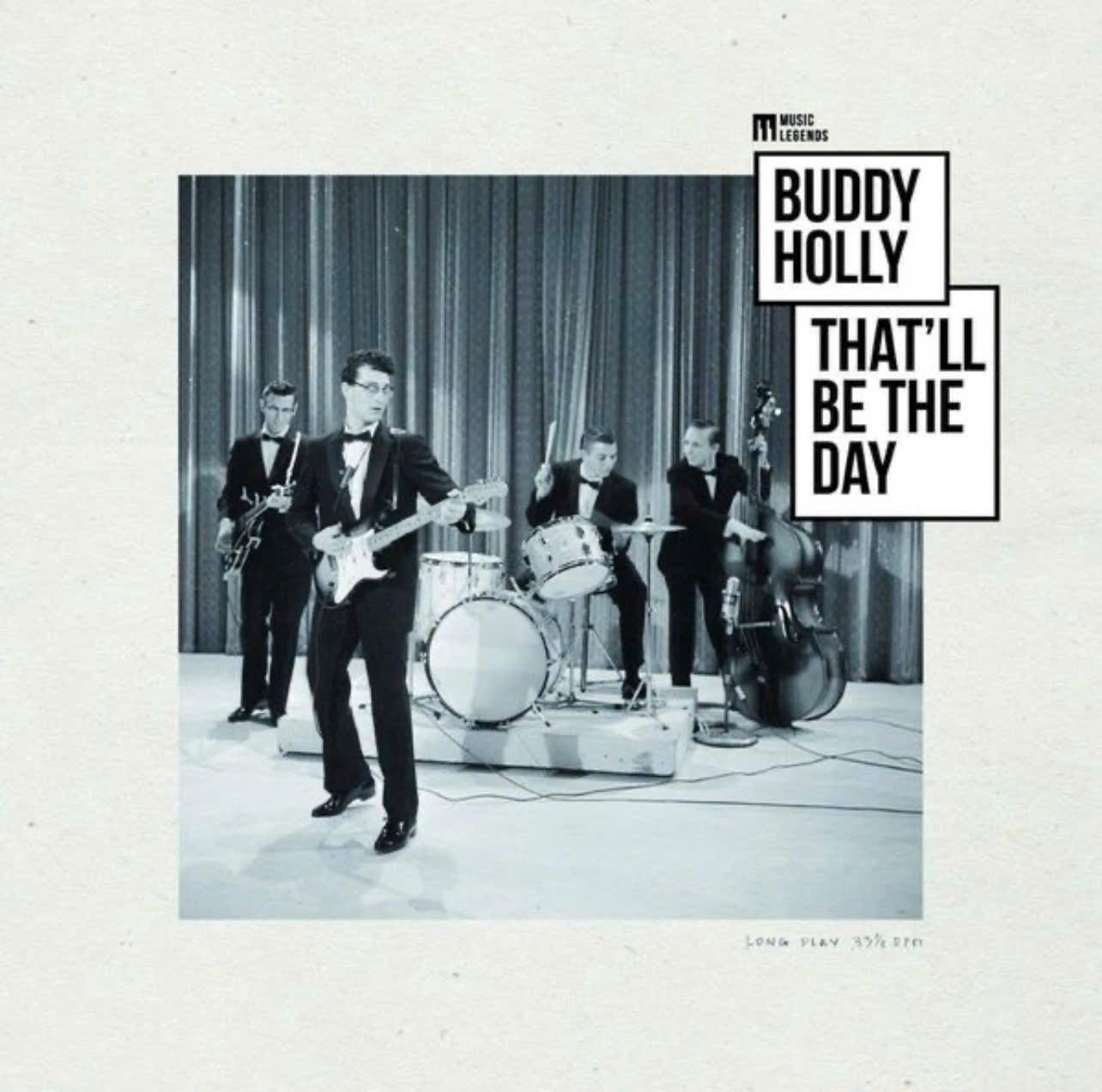
The creation of “That’ll Be the Day” is a fascinating story that reflects both spontaneity and determination in the early days of rock and roll. Written in 1956 by Buddy Holly and Jerry Allison, the song would later become one of the defining tracks of the era, launching Holly’s career and influencing generations of musicians.
The inspiration for the song came from an unlikely source—a line spoken by actor John Wayne in the 1956 Western film The Searchers. Wayne’s character repeatedly says, “That’ll be the day,” expressing disbelief that something would ever happen. Buddy Holly and his bandmates found the phrase amusing and catchy, and it quickly stuck in their minds. They began to play around with the idea, turning it into a lyrical hook that could resonate with a wider audience.
Initially, the song was recorded in Nashville in July 1956 under the guidance of producer Owen Bradley. However, this first version of “That’ll Be the Day” was quite different from what would later become famous. The arrangement was more restrained, and the overall sound lacked the energy and distinct style that Holly envisioned. As a result, the recording failed to make an impact and did not achieve commercial success.
Unsatisfied with the earlier attempt, Buddy Holly decided to take creative control. In early 1957, he and his band, later known as The Crickets, recorded the song again in Clovis, New Mexico, at Norman Petty’s studio. This session proved to be the turning point. The group experimented with a more upbeat rhythm, a stronger backbeat, and a clearer emphasis on Holly’s unique vocal style. The use of echo and a tighter instrumental arrangement gave the track a fresh and lively sound that stood out from other recordings of the time.
One of the key elements that made the second version successful was its simplicity. The lyrics tell a straightforward story of romantic skepticism, with the singer declaring that he will never be hurt again—“That’ll be the day when I die.” This direct and relatable message, combined with an infectious melody, made the song appealing to a broad audience.
When the re-recorded version was released in 1957, it quickly gained popularity. It climbed to number one on the Billboard charts, marking Buddy Holly’s breakthrough into mainstream success. The song’s success also established The Crickets as a major force in rock and roll and helped shape the genre’s development during its formative years.
In retrospect, the journey of “That’ll Be the Day” highlights the importance of artistic persistence. The contrast between the unsuccessful first recording and the iconic second version shows how creative vision, experimentation, and the right production environment can transform a song. Today, it remains a classic, celebrated not only for its catchy tune but also for the story behind its creation—a story of inspiration, revision, and ultimate triumph.
VIDEO
Views: 6