
Introduction
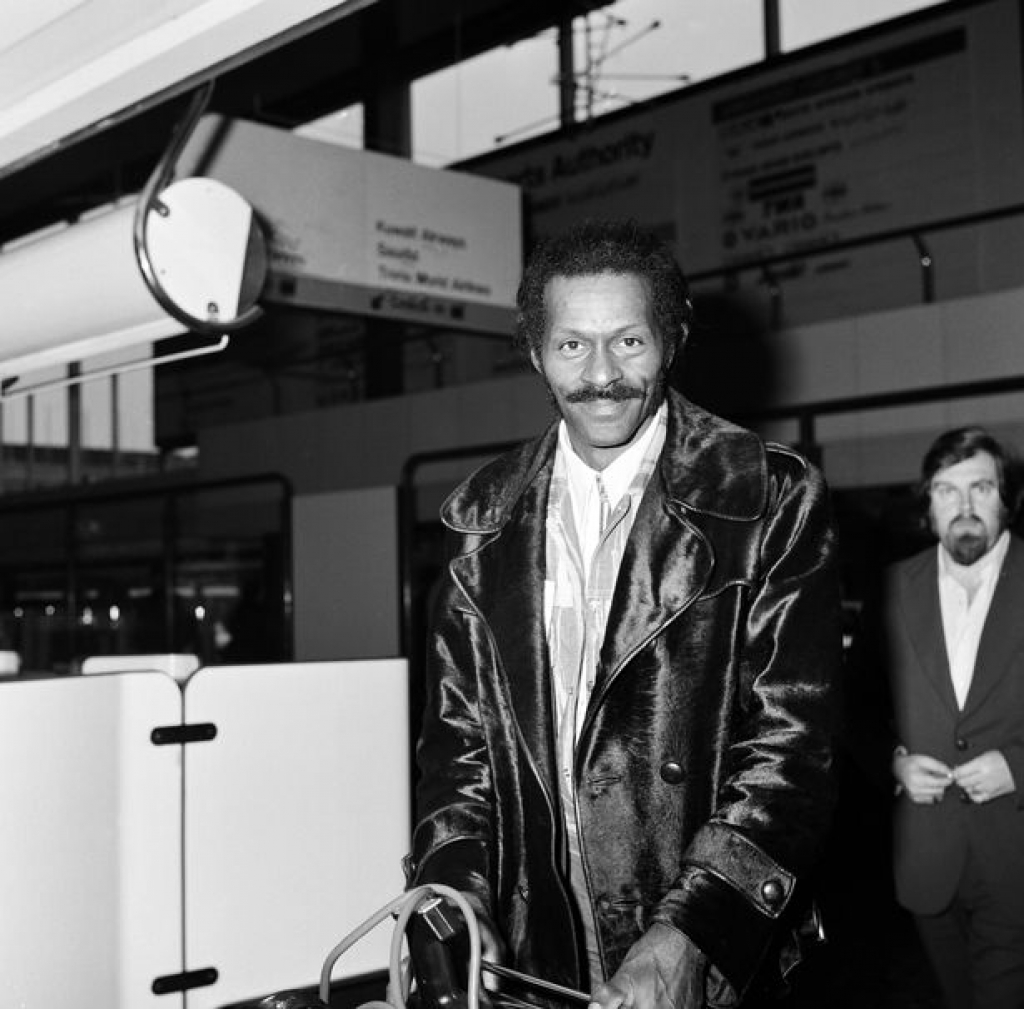
Chuck Berry is widely celebrated as one of the founding figures of rock and roll, known for hits like “Johnny B. Goode” and his energetic stage presence. However, alongside his musical legacy, there is also a controversial chapter in his life involving allegations of misconduct that has shaped how some people view him today.
In the late 1980s, Berry became involved in a legal case that drew significant public attention. Authorities accused him of installing hidden cameras in the women’s restroom of a restaurant he owned in Wentzville, Missouri. The allegations suggested that the cameras were placed without the knowledge or consent of patrons, raising serious concerns about privacy violations and personal rights. This incident stood in stark contrast to the joyful, rebellious spirit that his music represented.
The case led to a police investigation, during which videotapes were reportedly discovered. While Berry denied intentional wrongdoing, the situation escalated into a legal battle that ultimately resulted in settlements. He faced lawsuits from several women who claimed their privacy had been violated. Although the case did not result in a lengthy prison sentence, Berry did pay financial settlements, and the controversy remained a lasting stain on his public image.
This incident highlights an important issue about the separation—or lack thereof—between an artist’s work and their personal actions. For many fans, Berry’s contributions to music are undeniable. He influenced countless musicians, including The Beatles and The Rolling Stones, helping to shape the sound of modern rock music. Yet, events like this force audiences to reconsider how they engage with his legacy.
The situation also raises broader ethical questions about privacy and responsibility. Installing hidden cameras in private spaces is a serious violation of trust and legality, regardless of who commits the act. In Berry’s case, the allegations shocked many because they conflicted so strongly with the image of a beloved entertainer. It serves as a reminder that fame does not exempt individuals from accountability.
Over time, discussions about Chuck Berry have become more nuanced. While he is still honored for his groundbreaking role in music history, many modern conversations include acknowledgment of his legal troubles. This reflects a growing cultural tendency to examine public figures more critically, rather than viewing them as purely heroic.
In conclusion, the controversy surrounding Berry and the hidden camera incident is a complex and uncomfortable part of his story. It does not erase his influence on rock and roll, but it does add an important dimension to how he is remembered. Understanding both his achievements and his mistakes allows for a more complete and honest view of his life, reminding us that even legendary figures can have deeply flawed aspects.
Video
Views: 0