
Introduction
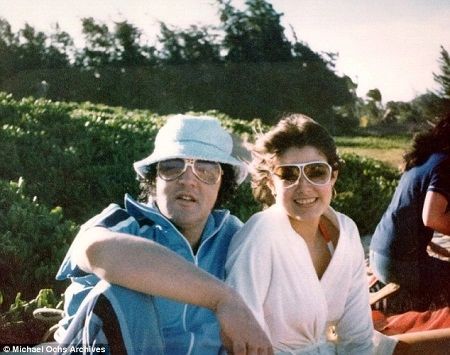
For nearly half a century, the world believed it knew the story of Elvis Presley’s final days. The official reports, documentaries, and countless books painted a picture of a legendary star overwhelmed by poor health and prescription medications. But according to Nancy Rooks, one of the people who knew Elvis better than almost anyone, the truth may be far more complicated.
Nancy Rooks spent more than ten years working inside Graceland as Elvis Presley’s maid, cook, and trusted member of his household. Unlike many people connected to Elvis, she rarely sought attention and rarely spoke publicly about her experiences. While others wrote sensational stories and appeared in interviews, Nancy remained loyal to the memory of the man she knew behind the fame.
According to Nancy, Elvis was very different from the image often portrayed in the media. Behind the legendary performances and worldwide fame was a kind, generous, and thoughtful man who loved simple pleasures. He enjoyed home-cooked meals, late-night conversations, and quiet moments with family and friends. Nancy saw him not as the King of Rock and Roll, but as a human being struggling to balance an extraordinary life with ordinary desires.
During the summer of 1977, Nancy noticed that Elvis was changing. He appeared tired, heavier, and often withdrawn. Yet she insists that he was still making plans for the future. He was preparing for another concert tour and talking about changes he hoped to make in his life. Contrary to the popular narrative that Elvis had simply given up, Nancy believed he was still searching for a new beginning.
One of Nancy’s most vivid memories comes from the early morning hours of August 16, 1977. After returning from playing racquetball, Elvis entered the kitchen looking exhausted. When Nancy asked if he wanted something to eat, he declined and requested only a jug of water. She later recalled how unusually thirsty he seemed, drinking the water quickly before heading upstairs to rest. At the time, it appeared to be an ordinary moment. Looking back, it became their final conversation.
Years later, Nancy revealed something that surprised many fans. She did not believe Elvis was ready to die. According to her, he had spoken about escaping the pressures of fame and living a quieter life. He reportedly talked about wanting to be “just a man again” rather than a global icon. Nancy described him as exhausted, both physically and emotionally, but still hopeful about the future.
She also recalled Elvis’s growing interest in spirituality, personal growth, and self-improvement. Books on health, religion, and transformation filled parts of his private collection. Nancy believed he was actively searching for answers and trying to regain control of his life. While she acknowledged his struggles with health and medication, she felt that many people misunderstood the complexity of what he was experiencing.
Perhaps the most touching aspect of Nancy’s testimony is not what it reveals about Elvis’s death, but what it reveals about his humanity. Her memories portray a man who was flawed, burdened by fame, and often overwhelmed, yet still dreaming of a better future. Rather than seeing Elvis as a tragic figure defeated by his circumstances, Nancy remembered him as someone who was still fighting for another chance.
Today, Nancy Rooks’ final reflections offer fans a different way to remember Elvis Presley. Not simply as a music legend whose life ended too soon, but as a man who continued searching for hope, peace, and renewal until the very end. In doing so, she reminds us that behind every legend is a human story that is often far more powerful than the myth itself.